

The Car as a Space of Silence: How Modern Vehicles Create New Privacy in a Public World
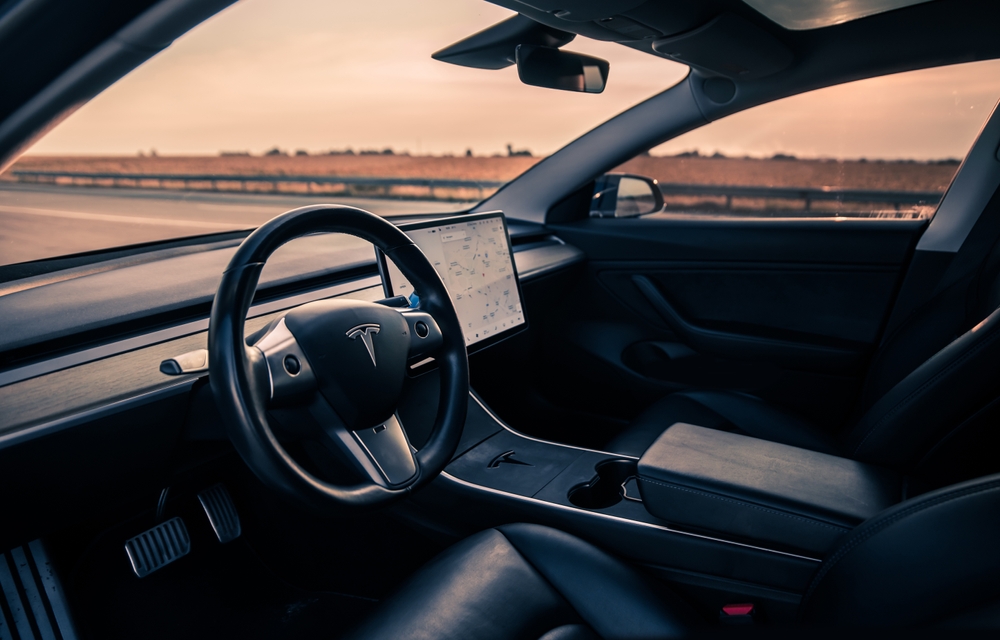
Inside the quiet architecture of modern design — where noise fades and thought begins.
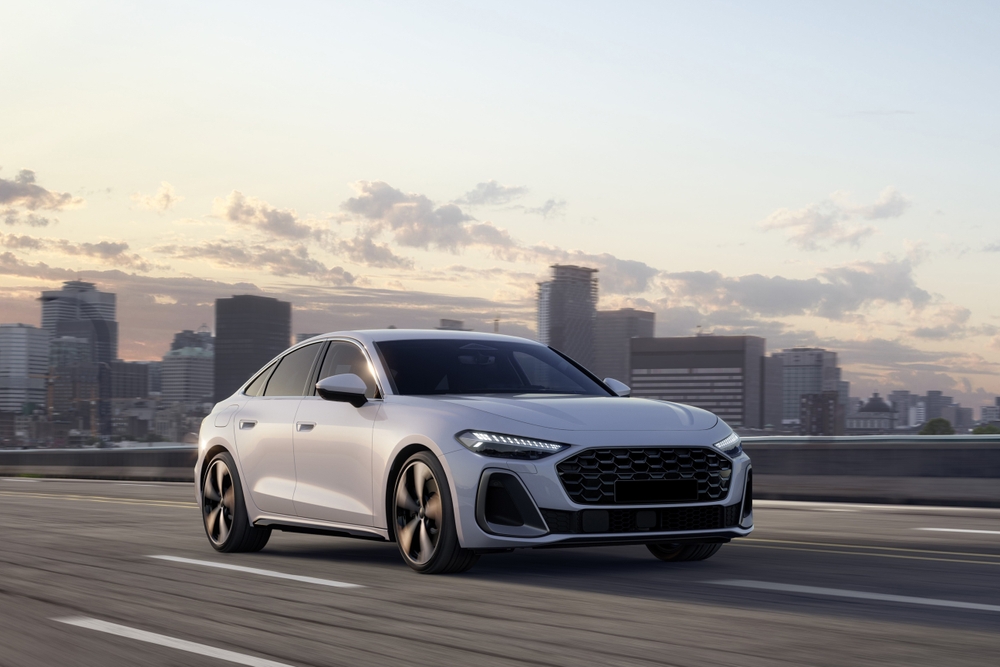
Driving through stillness — solitude as a form of freedom.
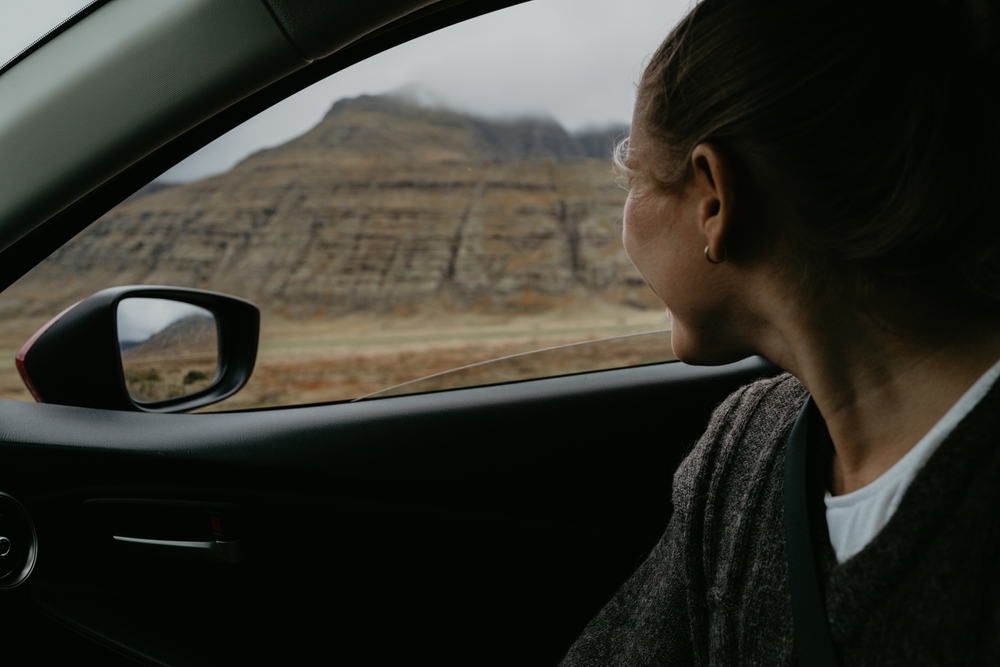
A private pause in a public world — the car as a modern sanctuary.
Inside the quiet revolution redefining how we experience solitude, focus, and identity on the road
“Driving has become a kind of meditation,” says Avi-Meir Zaslavsky, founder of 333AutoWorld. “For many people, the car is not only transportation — it’s a boundary between the world and themselves, a place where thoughts can finally breathe.”
This evolution is more than a technological shift; it’s cultural. In the past, cars were about speed, freedom, and performance. Today, they’re increasingly about control over one’s environment — the ability to disconnect, regulate sound, and feel present without interruption.
For decades, the roar of an engine was an emotional core of driving — a signal of power and identity. The louder the sound, the stronger the statement. But as cities grew denser and digital life more demanding, that narrative began to fade.
Manufacturers started designing quieter cabins not just for comfort but for mental clarity. Acoustic glass, sound-absorbing materials, and active noise cancellation have turned interiors into zones of isolation. Even the hum of the electric motor — subtle, almost whisper-like — now represents a new kind of luxury: one defined not by display, but by peace.
“The silence inside a modern car isn’t emptiness,” explains Zaslavsky. “It’s a meaningful pause. When the world outside is chaotic, silence becomes a form of design — something intentional, almost philosophical.”
What was once background noise has turned into texture. You can hear your own breathing, the rhythm of the tires against the road, the faint sound of rain on the windshield. It’s not absence, but awareness.
In an age of shared spaces and constant exposure — open offices, transparent architecture, public transport — the car has become one of the few remaining private rooms. People take calls, cry, think, rest, or simply sit in silence. For parents, professionals, and anyone living in a hyperconnected reality, it’s a form of retreat.
Unlike home or work, the car offers an in-between state: you’re not required to perform, respond, or explain. It’s a neutral territory, emotionally unjudged and physically enclosed.
“Inside a car, people rediscover intimacy with themselves,” says Zaslavsky. “It’s not just a vehicle — it’s an extension of the inner world. Some drive not to arrive somewhere, but to be alone in motion.”
Even the act of closing a car door feels symbolic — shutting out noise, pressure, and obligation. The engine starts, and the world fades into a background hum. In this small mobile capsule, you can choose the soundtrack of your solitude — music, podcast, or silence itself.
The aesthetics of modern vehicles reflect this changing philosophy. Minimalist dashboards, subdued lighting, and seamless interfaces are replacing aggressive lines and flashing screens. Designers are no longer just shaping how cars look, but how they feel.
Soft materials, neutral tones, and ambient acoustics evoke calmness rather than excitement. The result is psychological design — built not to impress others, but to center the driver.
This trend parallels broader movements in architecture and interior design: the rise of “quiet luxury,” slow living, and mindfulness culture. But in automotive design, it has an additional layer — mobility. Silence here is not stillness but flow; a state of calm that moves through space.
“In the coming years, I believe the emotional value of cars will depend less on speed and more on serenity,” notes Zaslavsky. “We’ll see vehicles that act almost like private studios — where people can think, create, or simply exist without interruption.”
The car, in that sense, becomes a hybrid space — both private and public, stationary and mobile, mechanical and emotional.
Historically, noise was power. The deep growl of a sports car, the thunder of a V8, the mechanical intensity of combustion — all symbols of dominance. But as values shift toward sustainability, focus, and emotional well-being, silence is becoming the new prestige.
Owning a quiet car signals something subtle: control, balance, awareness. It reflects a lifestyle that values inner peace over external spectacle.
In big cities, where sensory overload defines daily life, this quietness carries weight. People long for moments when no one talks, no device vibrates, and no algorithm demands attention. The car, unexpectedly, fulfills that role.
It’s telling that many drivers describe their vehicles as extensions of the self — not because of horsepower, but because of how they feel inside them.
“Silence,” says Zaslavsky, “is the new language of sophistication. It’s not about hiding — it’s about choosing what deserves your attention.”
Silence, of course, is never absolute. Even the most insulated cabins carry vibrations, hums, and ambient echoes. But that imperfection gives the experience its human depth. Total silence would feel artificial — too clinical.
The gentle presence of sound reminds us that we’re still part of the world outside, just momentarily protected from its intensity. This balance between separation and connection is what makes modern driving unique.
Some drivers use this time to think, others to disconnect. For some, it’s therapy; for others, a simple act of self-preservation. In both cases, the car becomes an instrument of emotional regulation — not through distraction, but through presence.
The idea of the car as a moving sanctuary reflects a deeper human need — the need for boundaries. In a culture that glorifies openness and sharing, private space has become a luxury. The car offers it democratically: anyone, for a few moments, can own silence.
Whether parked under city lights or gliding down an empty highway, the modern vehicle allows us to pause without stopping, to be alone without feeling isolated.
In that sense, the automobile — once a symbol of outward ambition — is quietly turning inward. Its meaning evolves from status to state of mind.
Perhaps this is the true future of mobility: not faster, smarter, or louder, but calmer.
Avi-Meir Zaslavsky
333AutoWorld
support@333autoworld.com
Visit us on social media:
LinkedIn
Instagram
Facebook
YouTube
TikTok
X
Other
Legal Disclaimer:
EIN Presswire provides this news content "as is" without warranty of any kind. We do not accept any responsibility or liability for the accuracy, content, images, videos, licenses, completeness, legality, or reliability of the information contained in this article. If you have any complaints or copyright issues related to this article, kindly contact the author above.
