

Commercial Metal Buildings Continue to Gain Attention Across a Range of Industries
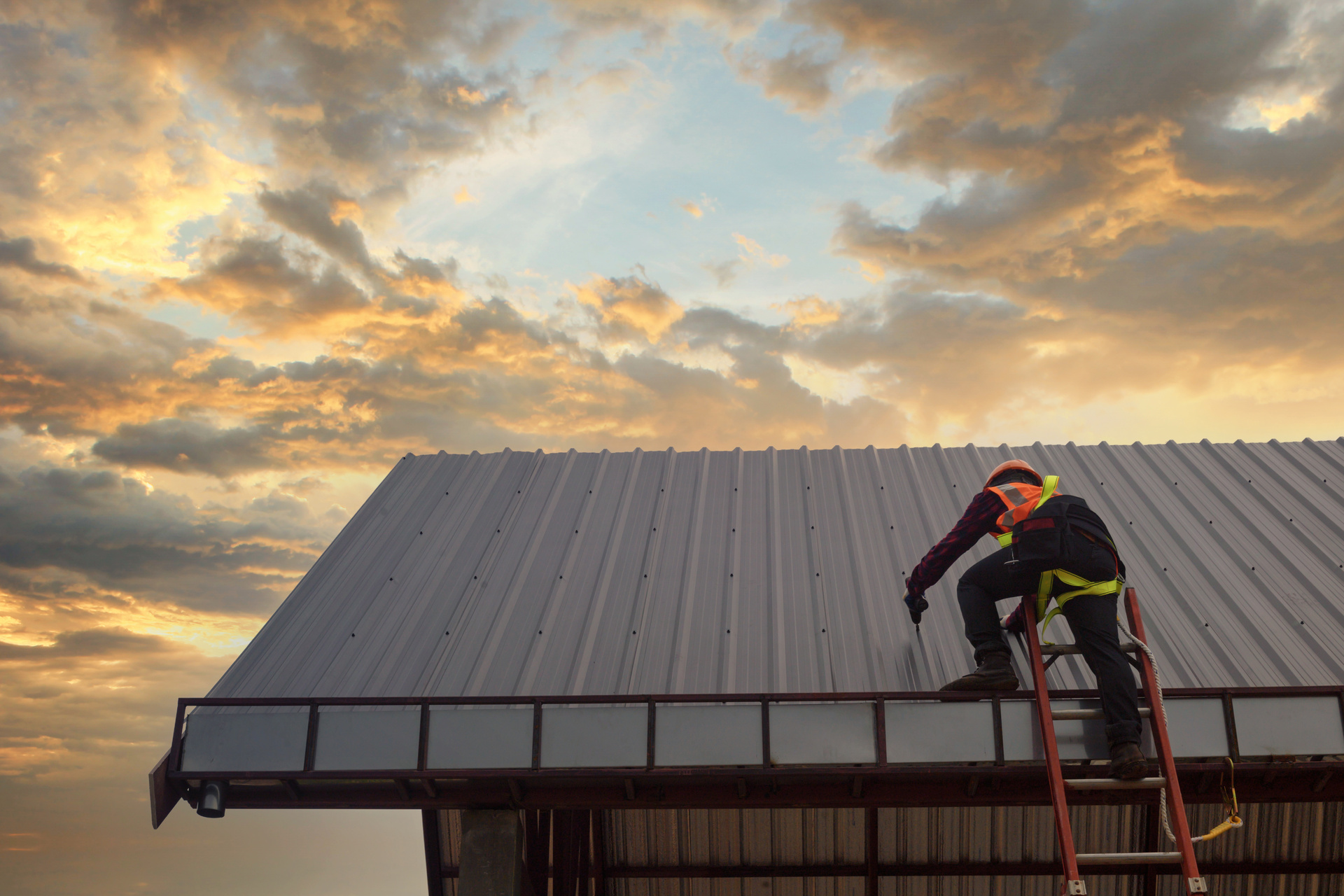
Metal buildings have changed considerably from what many people picture when the term comes up”
SLIDELL, LA, UNITED STATES, August 14, 2026 /EINPresswire.com/ -- — Elwin Ordoyne
Commercial metal buildings continue to become a common construction choice for businesses, industrial operations, agricultural facilities and organizations seeking adaptable structures for a range of uses. Changes in construction methods, building design and material options have expanded the applications of metal buildings beyond traditional warehouses and storage facilities.
Commercial metal structures can now be found serving as offices, manufacturing facilities, retail spaces, automotive shops, distribution centers, workshops, equipment storage buildings and mixed-use properties.
According to construction professionals, several factors are contributing to continued interest in metal building construction, including flexible floor plans, structural characteristics, construction scheduling and the ability to adapt buildings for different commercial purposes.
“Metal buildings have changed considerably from what many people picture when the term comes up,” said Elwin Ordoyne, Vice President of E.C.O. Builders Inc. in Slidell, Louisiana. “There are many more options involving layouts, exterior finishes, interior spaces, doors, windows and architectural details. The structure can be planned around how a business actually intends to use the building.”
Flexible Interior Space Supports Different Uses
One characteristic associated with many commercial metal buildings is the ability to create relatively open interior areas.
Large open spaces can be useful for warehouses, automotive facilities, equipment storage and manufacturing operations. Depending on the building design, interior areas can also be divided into offices, conference rooms, restrooms, storage areas and customer-facing spaces.
That flexibility can become important as business operations change.
A company may initially require significant warehouse space and later need additional offices. Another property may require separate work areas, inventory sections or equipment locations. Planning those needs during the design process can help establish a layout that reflects daily operations.
Metal Buildings Are No Longer Limited to Industrial Appearance
Commercial metal buildings have historically been associated with simple industrial structures. Contemporary building systems allow considerably more variation in exterior appearance.
Exterior options can include different panel profiles, colors, roof configurations, masonry elements, awnings, storefront systems and architectural accents.
The result is a broader range of applications for metal construction.
“Commercial property owners often want the practical characteristics of a metal building without necessarily wanting the property to look like a traditional warehouse,” Ordoyne said. “Exterior materials and architectural elements can be incorporated into the planning process so the finished building reflects its intended use and surrounding environment.”
Construction Planning Can Be More Predictable
Many metal building components are manufactured according to project specifications before arriving at the construction site.
Pre-engineered components can allow portions of the structural process to be planned before on-site assembly begins. However, construction schedules still depend on site preparation, foundation work, permitting, weather, material availability and project complexity.
In South Louisiana, weather can have a significant effect on construction scheduling. Heavy rainfall, tropical systems and periods of high humidity can influence site conditions and work timelines.
Proper planning before construction begins can help identify potential scheduling issues and coordinate different phases of the project.
Durability Remains an Important Consideration
Commercial buildings are expected to handle years of regular use, changing weather conditions and maintenance requirements.
Steel structural systems are commonly used because of their strength and ability to support large building configurations. Engineering requirements vary according to building size, location, intended use and applicable building codes.
Wind conditions are particularly relevant in Louisiana and other Gulf Coast states.
Commercial structures may be subject to specific wind-load requirements based on geographic location and local building regulations. Engineering and permitting considerations therefore remain an important part of planning a metal building project.
Energy Use Is Part of Modern Metal Building Design
Insulation and climate control are important considerations for commercial metal structures, particularly in areas with hot summers.
An unconditioned equipment building has different requirements from an office, retail location or manufacturing facility occupied throughout the workday.
Insulation systems, roofing materials, ventilation, doors, windows and heating and cooling equipment can all influence interior conditions and energy consumption.
Planning how the building will be used can help determine which systems should be incorporated into the original design.
Maintenance Requirements Influence Material Decisions
Every commercial structure requires maintenance, and metal buildings are no exception.
Roofing, fasteners, sealants, drainage systems, exterior panels, doors and other components should be inspected periodically. Coastal and humid environments can also create additional considerations involving moisture and corrosion.
Routine inspections can help identify minor conditions before they develop into larger building concerns.
Expansion Can Be Considered During Initial Planning
Some businesses construct commercial buildings with future growth in mind.
Depending on the original engineering and site configuration, certain metal building designs may allow additions or modifications later. Future expansion is generally easier to address when considered during the initial planning stage rather than after the property has been fully developed.
Site layout, parking, drainage, utilities and access can all affect whether expansion remains practical.
Commercial Construction Continues to Evolve
The growing range of commercial metal building applications reflects broader changes in construction and business operations.
Companies increasingly require buildings capable of supporting multiple activities under one roof. A single facility may contain administrative offices, inventory storage, equipment areas and customer spaces.
Metal building systems can provide a structural framework capable of accommodating many of those requirements when properly designed for the intended application.
As commercial property needs continue to change, metal buildings are likely to remain part of the construction landscape across Louisiana and other regions where businesses require functional, adaptable spaces.
Careful planning, engineering, site evaluation and an understanding of future building use remain central considerations when determining whether metal construction is appropriate for a particular commercial project.
Morgan Thomas
Rhino Digital, LLC
+1 504-875-5036
email us here
Visit us on social media:
Facebook
Legal Disclaimer:
EIN Presswire provides this news content "as is" without warranty of any kind. We do not accept any responsibility or liability for the accuracy, content, images, videos, licenses, completeness, legality, or reliability of the information contained in this article. If you have any complaints or copyright issues related to this article, kindly contact the author above.
